

Kissing Bugs Pest Control Knowledge
Kissing Bugs (also known as Vampire Bugs) are bloodsucking pests which are famous for their habit of biting humans around the mouth and eyes. They are becoming a concern in Arizona because of their capacity to carry a kind of parasite called Trypanosoma cruzi. This parasite can cause Chagas disease with irreversible and chronic health risks affecting heart, digestive and nervous systems. Scratching Kissing bug bites can lead to skin infections. Considering the above facts, the pest control for kissing bugs and prevention in the areas which potentially can be their habitats is so vital.
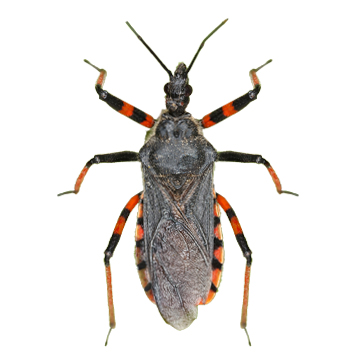
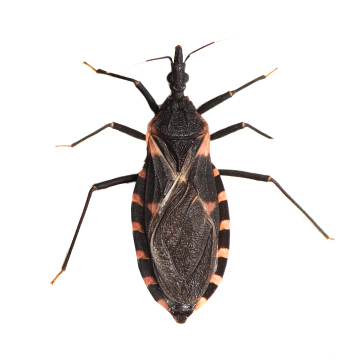

1 to 2 cm (0.4 to 0.8 inches) in length
They feed on the blood of mammals, i.e. humans, dogs and wild animals.
Light sources at night, animal nests and entry points like cracks in walls or doors.
Arizona Reduviid Bug: Reddish-brown. yellow or orange markings on the abdomen.
Western Conenose Bug: Brown to black with lighter stripes or spots.
Elongated, flat body with a cone-shaped head. Winged, though wings are usually folded over the back.
Kissing bugs Found outdoors in rodent nests or under rocks. Inside homes they hide in dark undisturbed areas like cracks or under beds.
Seal cracks and holes, both indoors and outdoors. Replace weather-stripping and repair loose mortar around the windows and basement to ensure there is no gap underneath your door. If you can see light from under a door, bugs can pass through the opening into your home. In addition, remove nesting areas and food sources for nuisance wildlife that could serve as hosts for kissing bugs outdoors. Debris piles should be regularly removed from your yard and firewood should be stored at least 20 feet away from your house.
If you have spotted kissing bugs in or around your home, contact us at pestizan to schedule your service.
Kissing bugs cannot directly kill humans, but they can transmit parasites which cause Chagas disease which can be fatal at chronic stages.
The most notable part of a kissing bug is their unique cone-shaped head and elongated body. If you are unsure about the kind, contact us to dispatch one of our professional pest control experts for identification.
No, not all carry the parasite that causes the Chagas disease.
yes they can, especially in Arizona’s warm climate, hiding in dark, quiet spaces.