

Spider Pest Control Knowledge
Spiders are captivating creatures known as arachnids that exist in over 52 thousand species globally. They play a role in managing insect populations, nonetheless their presence in environments can evoke unease.
In Arizona, there are types of spiders that can be dangerous due to their bites or triggering fear responses among people with arachnophobia tendencies. Some spiders with venomous capabilities may lead to health issues in some individuals.


Webs: Intricate or messy webs in corners, on ceilings, or in less disturbed areas.
Spider Sightings: Regularly seeing spiders, especially during evening hours.
Egg Sacs: Small, often spherical sacs where spiders lay their eggs.
Shed Skins: Finding discarded spider exoskeletons.
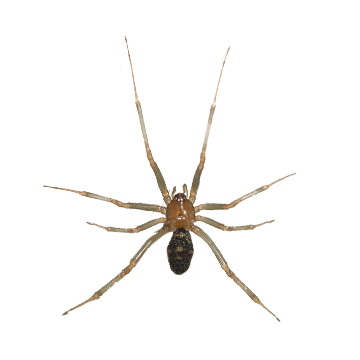
Arizona Brown Spider:
Approx. 1/3 inch body length.
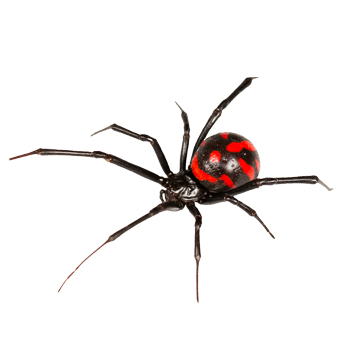
Black Widow Spider:
Females approx. 1.5 inches.
Males approx. 0.75 inches
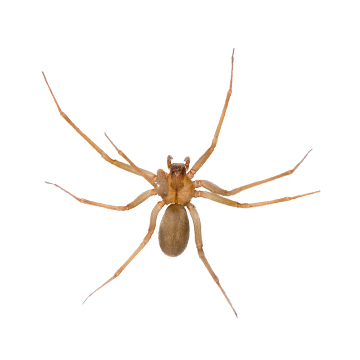
Brown Recluse: Body length approx. 1/3 – 1/2 inch,
leg span up to 1.5 inches.
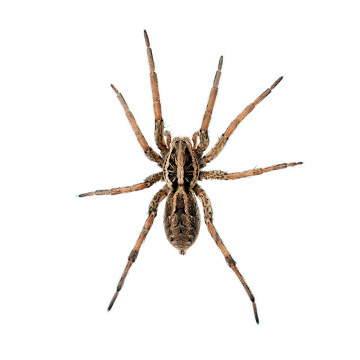
Wolf Spider: Body length approx. 1/2 – 1 inch,
leg span up to 2 inches or more.
Grass Spider: Body length approx. 3/4 inch;
leg span approx. 1 – 1.5 inches.
Orb Weaver: Varies by species, but generally body length approx. 1/4 inch to over 1 inch, with some having leg spans up to 3 inches.
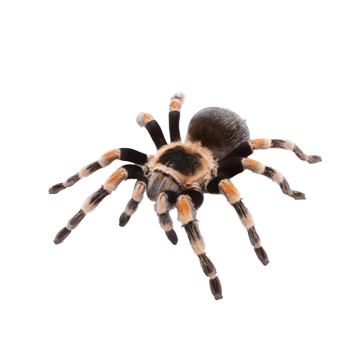
Tarantula: Body length can approx. 2 to 5 inches, with leg spans up to 10 inches or more for some species.
Primarily insects, but larger spiders like tarantulas might eat small vertebrates.
An abundance of insects, dark and undisturbed places, and clutter provide ideal conditions. Spiders are drawn to light sources where insects gather.
Here are the colors or patterns of each spider species:
Arizona Brown Spider: Uniform brown with no distinct pattern.
Black Widow Spider:
Glossy black with a red hourglass shape on the abdomen.
Brown Recluse:
Light to medium brown with a darker violin-shaped mark on the body.
Wolf Spider:
Variable patterns. often mottled or striped in browns, grays, black, or tan.
Grass Spider:
Brown or tan with a darker body and sometimes chevron patterns on the abdomen.
Orb Weaver: Highly variable patterned/non-patterned which can be yellow, brown and black spots or bands.
Tarantula: Typically dark brown or black, though some species can have more vibrant colors or patterns like stripes or spots.
Arizona Brown Spider:
Oval body with long legs.
Black Widow Spider:
Rounded abdomen with small head and long legs.
Brown Recluse: Violin-shaped oval body with marking on the body.
Wolf Spider: Robust and hairy body with a broad flat head.
Grass Spider: Elongated flattened body with long and thin legs.
Orb Weaver: Variable in shapes but often with a rounded or oval abdomen and unique patterns.
Tarantula: Large, hairy with a broad flat body and stout legs.
Spiders inhabit both natural and urban environments, often found under rocks, in vegetation, or inside homes.
Regular cleaning reduces insect populations and consequently, spider habitats. Call the Local Spider Exterminator for sealing entry points, effective treatment with long lasting results. Do not forget spider infestation shall not remain untreated.
Most spider species are harmless to humans; however some species like Arizona Brown Spider, Black Widow and Desert Recluse can pose health risks at their bite incidents.
You should look for pain areas to identify swelling and redness. Be aware, symptoms can be different based on spider species and individual allergies.
You should keep your place out of clutter and use a screen on windows. You can consult with a professional spider exterminator for comprehensive pest management inspection and advice.
Despite using DIY remedies for spiders, ensure you begin spider control measures and seek professional treatment as soon as you notice the first signs.